
In today’s climate-conscious world, “environmental justice” is more than a buzzword, it is a fight for the fundamental right to breathe clean air and drink safe water. While the effects of climate change are global, the burden is far from equal.
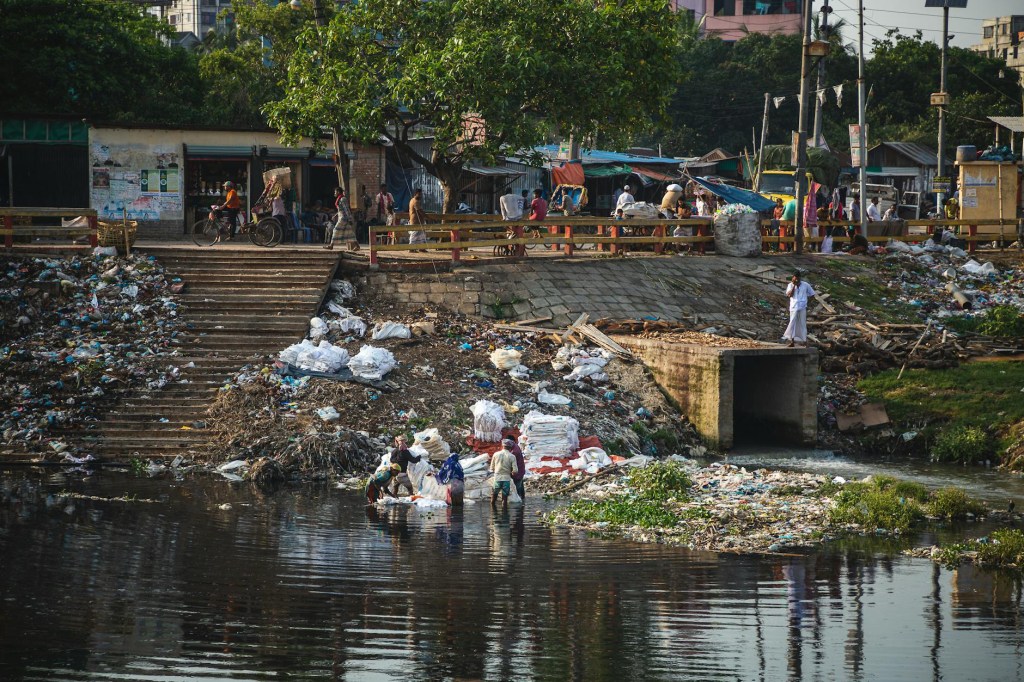
When we talk about environmental protection, we often think of pristine forests or melting glaciers. But for millions of people, environmentalism is a matter of survival in their own backyards. Environmental justice is the principle that all people—regardless of race, color, national origin, or income—should have equal protection from environmental hazards.
Unfortunately, the reality in 2026 is that marginalized communities—specifically low-income neighborhoods and communities of color—continue to face disproportionate risks. Here is why.
The Legacy of Environmental Racism
The term “environmental racism” isn’t accidental. It refers to the systemic placement of toxic waste facilities, landfills, and coal plants in areas primarily inhabited by people of color.
- Redlining: Historical housing policies like “redlining” forced minority groups into industrial zones. Decades later, these areas still have higher temperatures (the “urban heat island” effect) and higher levels of particulate matter.
- Targeted Siting: Corporations often seek “the path of least resistance.” Communities with less political lobby power or fewer financial resources to fight legal battles often become “sacrifice zones” for industrial expansion.
Lack of Political Representation
Environmental policy is often decided in rooms where the most impacted voices are missing.
- Exclusion from Decision-Making: Marginalized groups are frequently excluded from local zoning boards and environmental agency discussions.
- Regulatory Negligence: Studies show that environmental violations in wealthy, white neighborhoods are often penalized more quickly and severely than those in low-income or minority areas.
The “Threat Multiplier” of Climate Change
Climate change acts as a threat multiplier, taking existing social inequities and making them lethal.
- Flood Vulnerability: Low-income housing is often built on floodplains or areas with poor drainage infrastructure.
- Energy Poverty: Marginalized households spend a higher percentage of their income on energy. During extreme heatwaves, many cannot afford the air conditioning required to survive, leading to higher rates of heat-related mortality.
Cumulative Health Impacts
It isn’t just one factory; it’s the “cumulative impact” of multiple stressors. A resident in a marginalized community might deal with:
- Air pollution from a nearby highway.
- Lead pipes from aging infrastructure.
- Lack of green space to mitigate heat and stress.
These factors combine to create higher rates of asthma, cardiovascular disease, and maternal health complications compared to more affluent zip codes.
What Can We Do?
Achieving environmental justice requires shifting from reactive fixes to proactive policy changes:
- Community-Led Solutions: Prioritizing the expertise of local residents who know their land best.
- Equitable Infrastructure: Investing in green transit and clean energy specifically for “frontline” communities.
- Stronger Enforcement: Holding polluters accountable regardless of the neighborhood’s median income.
The Path Forward
Environmental justice is the intersection of civil rights and environmentalism. We cannot solve the climate crisis without addressing the systemic inequality that makes some communities more “disposable” than others. By centering the voices of the marginalized, we create a more resilient world for everyone.
 Step to Light
Very nice.
LikeLiked by 1 person