
The digital divide, the gap between those with and without access to modern information technology, remains a significant barrier to education, economic opportunity, and social inclusion for underserved communities globally. Addressing this requires a multi-pronged approach, combining innovative hardware, new business models, and community-centric programs to make technology truly accessible and affordable.
A key initiative focuses on developing and distributing low-cost hardware. Companies and non-profits have created affordable devices, such as rugged, solar-powered laptops and smartphones with stripped-down, efficient operating systems designed for areas with limited electricity and internet. For instance, organizations like One Laptop per Child pioneered this concept, while newer initiatives promote refurbished device programs, giving old technology a second life at a fraction of the cost.
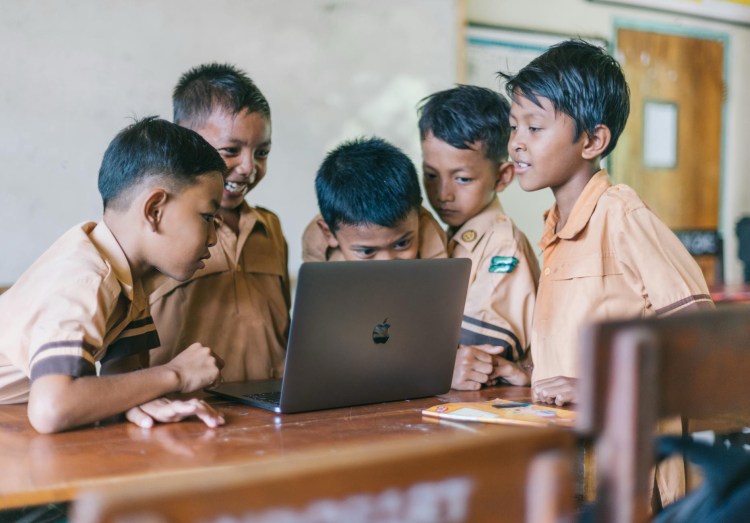
Beyond the devices themselves, innovative connectivity solutions are critical. Traditional fiber-optic cable is expensive to deploy in rural areas. To bridge this gap, companies are leveraging alternative technologies. Google’s Project Loon (now discontinued) explored high-altitude balloons, while initiatives like Facebook’s Connectivity Lab have investigated solar-powered drones. More practically, many projects are expanding affordable internet access through public Wi-Fi hotspots in community centers and libraries, or by deploying fixed wireless and satellite internet services tailored for low-income households.
Finally, community-driven and educational programs ensure technology is not only present but also effectively used. Digital literacy training is fundamental, teaching essential skills from basic computer operation to online safety and job searching. Community Technology Centers provide physical access to hardware and software, along with guided training. Furthermore, social enterprise models are emerging, where local entrepreneurs are empowered to sell internet access or tech support, creating a sustainable, locally-owned solution.
In conclusion, bringing affordable technology to undeserved communities is not merely about distributing cheap devices. It is a holistic effort that combines sustainable hardware, creative connectivity solutions, and foundational education, ensuring that technology becomes a tool for empowerment rather than another axis of inequality.
Your support will help us bring more and more high quality educational content and new knowledge.
 Step to Light
What a wonderful post
LikeLiked by 1 person