
Water pollution, a growing concern for developing and developed countries alike, has dire implications for human health and ecosystem integrity. Industrialization, agricultural growth, and urbanization are putting ever more pressure on water environments, making it essential to comprehend the multidimensional nature of water pollution for the development of effective mitigation strategies.
The effects of contaminated water extend to indirect health impacts, extending to ecosystem functioning, biodiversity, and consequently, the sustainability of the natural world. This essay addresses the interrelated impacts of water pollution, highlighting its effects on human health and ecological wholesomeness.
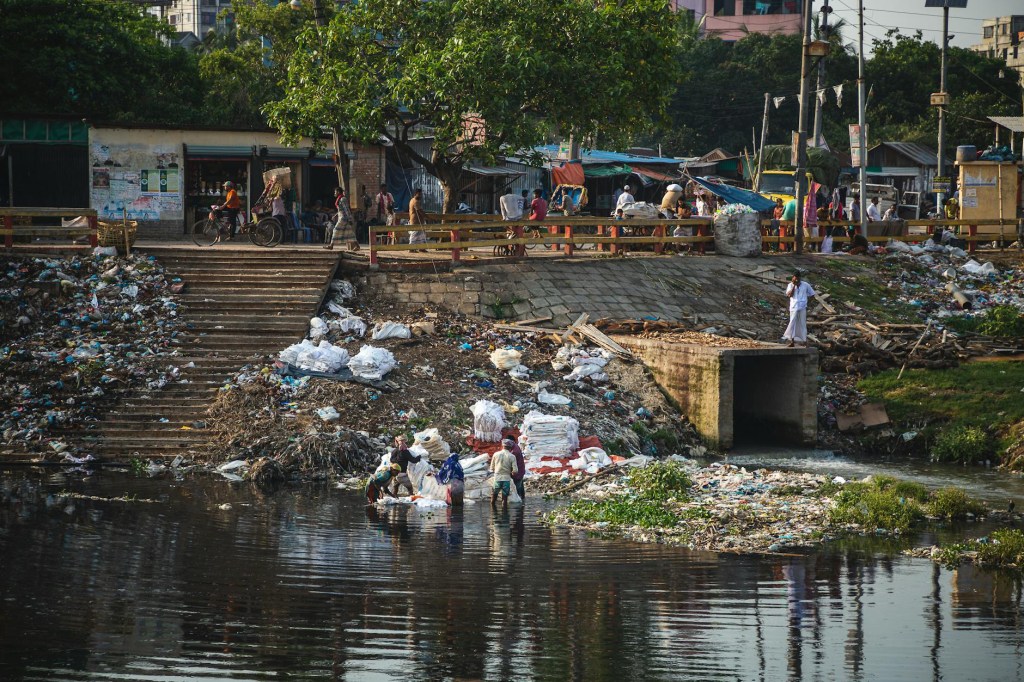
Water contamination has a considerable impact on human health, through contaminants such as heavy metals, pathogens, and chemicals, causing various conditions of health. Water contamination has the ability to cause acute and chronic illnesses, from infections in the gastrointestinal tract to neurologic diseases and cancer. For instance, the presence of heavy metals like mercury and lead in potable water has been linked to intellectual impairment, particularly among children with emerging nervous systems. Besides, waterborne illness originating from bacteria, viruses, and parasites may foster epidemicity of cholera and dysentery diseases, primarily targeting the poor segments of society lacking or having no access to clean water and sanitation systems. The health implications of water pollution therefore underscore the imperative need for regulatory systems ensuring water quality and public health safety.
The ecological effects of water pollution are also severe, in that pollutants disrupt aquatic food chains and threaten biodiversity. Lakes, rivers, and oceans are inhabited by numerous species, and the introduction of pollutants into such environments can disrupt the delicate equilibrium of the ecosystem. Nutrient runoff, most often from agricultural use, leads to eutrophication, which creates hypoxic conditions that kill enormous quantities of fish and disrupt food webs. Moreover, toxicants such as polycyclic aromatic hydrocarbons (PAHs) and persistent organic pollutants (POPs) biomagnify in aquatic organisms, and they threaten species at varying trophic levels. The removal of keystone species, such as certain fish or amphibian species, also has cascading impacts throughout the system, resulting in less biodiversity and diminished ecological resistance.
Besides the direct health and ecological impacts, water pollution also bears socio-economic impacts that deepen inequality. Such communities that depend on natural water bodies for their economic survival experience economic losses through reduced fish stocks and compromised water quality, which may result in reduced agricultural yields. Water pollution and socio-economic status meet at a high juncture in vulnerable communities, where clean water and good sanitation are not readily available. Economic healthcare costs and lost labor productivity compound them, making the need for harmonized water management policies addressing both environmental and social concerns imperative.
A complex approach to rectify the impacts of water pollution is imperative, including regulation, technical solutions, as well as interventions related to people. Governments must institute increased regulation of industrial effluent and farm runoff and make investments in wastewater treatment technologies that can effectively remove pollutants from water sources. Moreover, public awareness and education campaigns on sustainable practices can help make communities capable of initiating collective action in the preservation of their local water resources. Cooperation among intergovernmental, non-governmental organizations, and populations is critical in establishing a culture of stewardship that respects the well-being of people and ecosystems.

Although significant progress has been made toward the identification and control of water pollution problems, the growing scope of the issue calls for continued and escalated efforts. Climate change and increasing worldwide pressures on water exacerbate the challenges of water quality issues, and there is an urgent need for innovative solutions. Research on emerging contaminants such as microplastics and pharmaceuticals is critical to establishing their long-term effects on human health and the environment. In addition, promoting inter-disciplinary research that brings together public health, environmental science, and socio-economic research will enhance our ability to develop holistic strategies that can neutralize the effects of water pollution.
Last but not least, water pollution is a complex web of issues that involves interacting human health, environmental integrity, and socio-economic stability. The health impacts of contaminated water, and its environmental disruptions, call for urgent action. Strengthening regulatory systems, adopting new technologies, and encouraging people’s participation are the necessary steps to combat water pollution and its ill consequences. Moving towards a more sustainable future, prior attention to water pollution is a necessity so that today and tomorrow’s generations may inherit a world where water and healthy ecosystems are a right, not a privilege.
 Step to Light
An interesting post, took me a while to read it as my concentration kept wondering off
LikeLiked by 1 person
We take for granted our fresh water from the Great Lakes. 💕
LikeLiked by 1 person