
During the 21st century, technology has permeated every sphere of life, revolutionizing the modes of communication, learning, and access to services. But among the principal and worrisome phenomena, the “digital divide” manifests itself in the shape of socio-economic division arising due to differential access to digital capital.
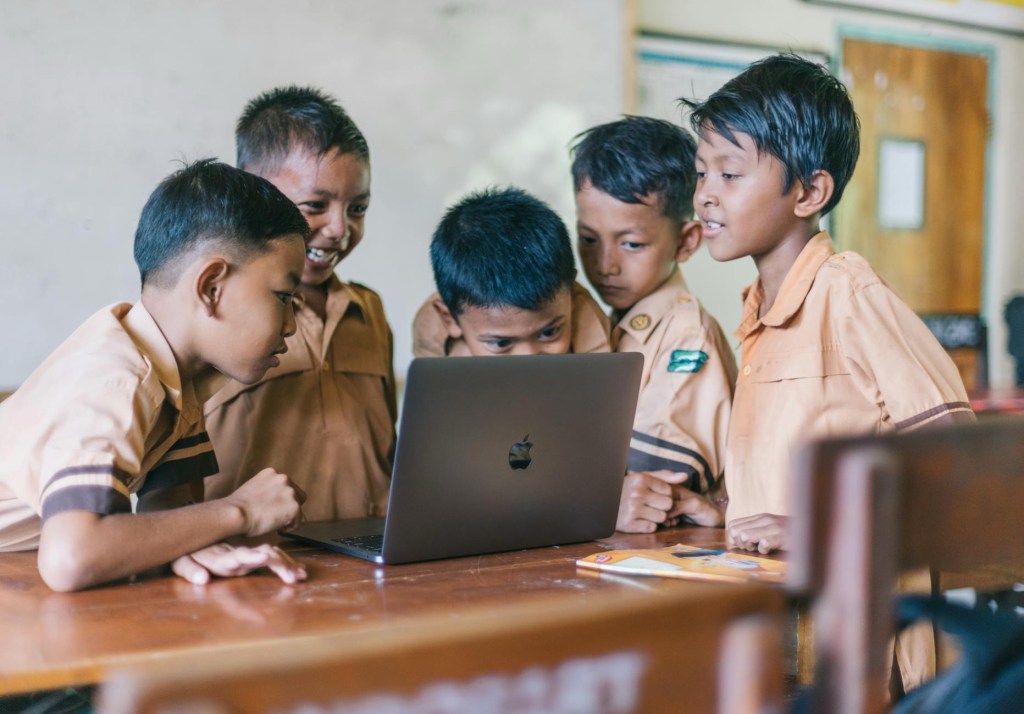
The digital divide is not merely indicative of variations in the application of technology; it is a mechanism that accentuates existing socio-economic disparities. While the internet and digital technologies promise democratization of opportunity and information, their unequal distribution further solidifies social cleavages, precluding upward mobility for disadvantaged groups and consolidating privilege among already privileged groups.
The digital divide mainly occurs on two important dimensions: access and skills. Access is the availability of internet access and devices, and skills is the ability to use digital environments. Access disparities can generally be traced geographically, and rural areas are typically lacking reliable broadband connections, in contrast to their urban counterparts. Moreover, low-income households lack the means to purchase the hardware needed for online learning, remote employment, or telemedicine. Research by the Pew Research Center shows that low-income households are much less likely to own smartphones or have broadband subscriptions, thereby denying them the digital space where job opportunities and vital services are shifting. Where learning is in question, the digital divide is enlarging socio-economic inequalities.
The COVID-19 pandemic brought into sharp relief the stark gap between digitally connected students and those who were not. While the majority of advantaged students adjusted seamlessly to the virtual environment, disadvantaged students lagged behind. Lacking good internet connectivity or appropriate learning devices, disadvantaged students faced learning loss, falling behind peers. The resulting educational inequalities reinforce a cycle of socio-economic marginalization, with individuals who do not have access to quality digital education remaining in low-wage jobs with minimal mobility prospects.
The impact of the digital divide extends even further into the workplace. As more businesses use digital media for recruitment, professional networking, and in-person training, those lacking adequate access to technology are considerably disadvantaged. Not only do job seekers need access to the internet, but also the quality of digital skills that enables them to use online job ads and professional networks effectively. This state creates a dual labor market: one for the advantage of those with high digital capabilities and access, and the other for those without. In this way, even those from the conventionally excluded groups or economically less privileged situations can become systematically denied the high-remunerative jobs or be deigned to the low-remunerative ones that reinforce their economic vulnerability.

Furthermore, the digital divide is heavily intertwined with public service and health care, thus reinforcing socio-economic gaps. At an age where telehealth is now the key to achieving health care access, individuals without internet connections or those not digitally literate are often left out of health resources and information. This gap can result in poorer health outcomes, as unserved communities may lose access to preventive services, mental health services, or emergency medical consultation that are now accessible online. The gap thus not only perpetuates economic disadvantage but also health inequities that pile on top of the other issues of vulnerable communities.
Finally, fighting the digital divide has to be achieved by a three-part policy that integrates policy, education, and outreach. Policymakers should invest in infrastructure that facilitates universal access to the internet, particularly to disadvantaged groups and rural areas. Digital literacy efforts to allow users to learn the skills needed to engage effectively in the online world are equally essential to empower marginalized groups. Collaborative efforts between government, private enterprise, and non-profit organizations can produce a more inclusive digital space, hence mitigating the socio-economic disparities triggered by the digital gap. As the world goes increasingly digital, bridging the gap is not only important in pursuing equity but also essential in constructing society where all have opportunities to thrive in the digital world.
 Step to Light
You know what bugs me, it’s that there are some people in power who do not realise that not every man and his dog have access to the internet, or computers they expect everyone to have an email address but that’s not the way it is.
LikeLiked by 2 people
I agree with you on this. I have friends who have faced difficulties getting what they need because of expectations people have that they should have the internet, computer etc.. They don’t know their way around a computer. And cannot afford one or afford the internet.
LikeLiked by 1 person
This is increasingly becoming a concern here as people aren’t able to access basic social service due to digital illiteracy. They simply cannot keep up with the pace of change and with shopfronts and departments increasingly moving behind internet walls it makes it shockingly hard for everyday people to find help.
LikeLiked by 1 person