

Cultural appreciation and cultural appropriation are two issues that have generated immense controversy in our contemporary social and scholarly arena. It takes an in-depth analysis of power, context, and intention to distinguish the line that separates the two.
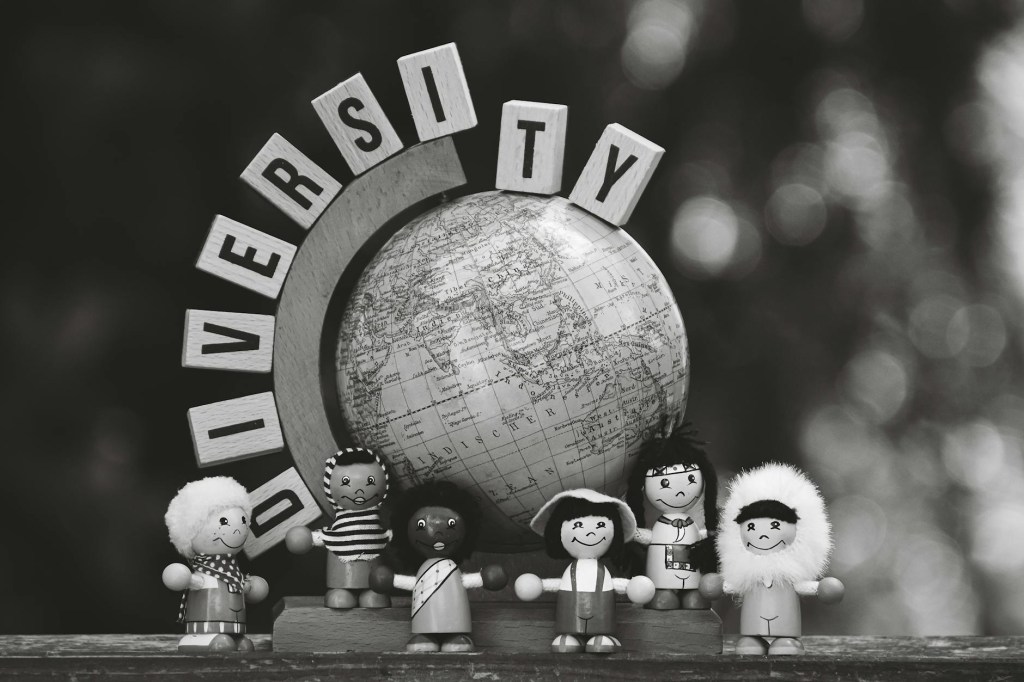
At the heart of this controversy is the knowledge that culture is fluid and evolves through interplay between groups. But the complexity that is at stake typically leads to misunderstandings, particularly in how individuals or groups engage with other cultures rather than their own.
Cultural appropriation has generally been defined as when participants in one culture take on a piece of another culture, typically uninvited and without understanding. This is objected to most strongly when a dominant culture is appropriating elements of a subordinated culture, thus reinforcing old patterns of power. For instance, when designers borrow Indigenous designs without recognition, they do not only falsify the designs’ meanings but also discontextualize them. This can be seen as commodifying culture, reducing rich tradition and history to reductive aesthetic choices in support of the pleasure of the dominant group, perhaps propping up deeper colonial histories and continuing economic exploitation.
Conversely, cultural appreciation is respectful and knowledgeable engagement with aspects of another culture, oftentimes illustrated through a sincere effort to be cognizant of and respectful towards the original context. Acquaintance with the cultural heritage, appropriate involvement, and giving credit for the sources from which these aspects are borrowed is at stake. For example, the non-Indigenous individual who investigates why Indigenous art matters and is beneficial to its makers and reflects on its value demonstrates an appreciation of culture. Such actions encourage intercultural dialogue and respect and enable individuals to celebrate diversity and comprehend the richness of stories about culture.
But the line between appreciation and appropriation is thin and relative. Scholars and activists typically grapple with questions of intent, impact, and histories of cultures. Cultural symbols’ utilization in business is probably one of the most controversial domains. When art, fashion, or music from oppressed cultures are utilized for profit without participation or compensation of the communities, it typically leads to accusations of cultural appropriation. The commercial aspect can deepen feelings of disrespect and exploitation among marginalized communities, which leads to further discussions on privilege, representation, and authenticity in cultural exchange.

Additionally, the more globalized world complicates the discussion even further. With the rise of online platforms, the boundary lines have become blurred, and thus there is a freer exchange of cultural elements. While this process can lead to greater understanding, it also tends to oversimplify complex culture practices and turn them into commodities. Thus, educated and deliberate participation is necessary. Education is vital in the cultivation of cultural appreciation due to the fact that one must be capable of critically analyzing the origins and meanings of what they are embracing or celebrating.
Lastly, cultural appreciation vs. appropriation requires a critical examination of ethics and values that inform intercultural relationships. It requires acknowledgment of historical contexts, sensitivity in representation, and advocacy for authentic multiculturalism. As globalization continues to increase cross-cultural contact, individuals are tasked with attaining a harmonized method of having respect for their influences and the cultures offering the influences. In conclusion, the debate of cultural appreciation and appropriation not only clarifies our information about culture itself but also offers a path to more egalitarian and respectful intercultural relations.
 Step to Light
Well discussed on cultural appropriation between cultural appreciation. Good 😊
LikeLiked by 1 person
This was a good and interesting read, thanks
LikeLiked by 1 person
This post made me think about white people who want to adopt “Native spirituality” while ignoring the need to support the rights of indigenous people.
LikeLiked by 1 person