

Social media has become an indispensable tool for contemporary socialization, shaping the ways in which individuals interact and form relationships in the digital age. The influence of social media on socialization is multifaceted, impacting various aspects of human behavior and communication. Let’s explore the numerous ways in which social media influences socialization, from the formation of online identities to the cultivation of digital communities.
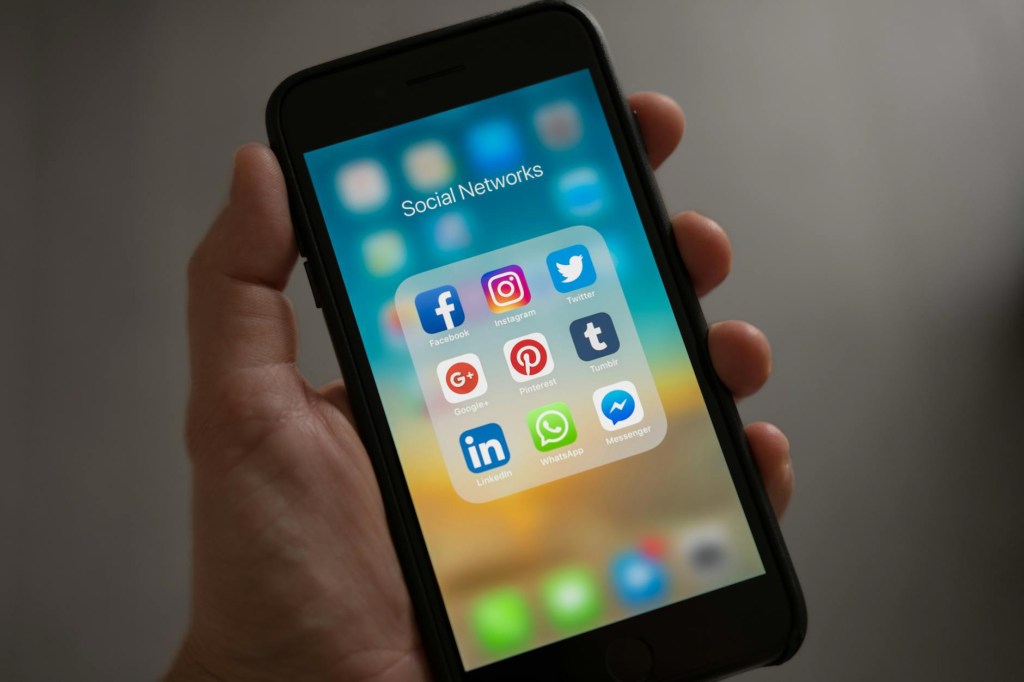
One of the primary ways in which social media influences socialization is through the construction of online identities. Social media platforms such as Facebook, Instagram, and Twitter allow individuals to curate and present versions of themselves to the world, shaping how they are perceived by others. These online personas often differ from individuals’ real-life identities, as people selectively share aspects of their lives and personalities that align with their desired image. This process of self-presentation on social media can impact individuals’ self-esteem and sense of identity, as they strive to present an idealized version of themselves to their online audience.
Additionally, social media plays a significant role in shaping interpersonal relationships and communication patterns. Platforms like Facebook and Instagram enable individuals to connect with friends, family, and acquaintances in real-time, facilitating instant communication and sharing of experiences. These platforms also allow individuals to maintain relationships with people across geographic distances, fostering a sense of closeness and connectivity that transcends physical boundaries. However, the reliance on social media for communication can also lead to a lack of face-to-face interaction and reduced social skills, as individuals become accustomed to communicating through screens rather than in person.
Furthermore, social media influences socialization through the cultivation of digital communities and subcultures. Online platforms provide spaces for individuals with shared interests, ideologies, or identities to connect and form communities based on commonalities. These digital communities allow individuals to find like-minded individuals, share experiences, and participate in discussions on various topics. However, the formation of digital communities can also lead to the spread of misinformation, polarization, and echo chambers, as individuals are more likely to engage with content that aligns with their existing beliefs and biases.
Moreover, social media plays a crucial role in shaping societal norms and values, as platforms like Twitter and TikTok have the power to amplify certain voices and perspectives. Social media campaigns and movements have the ability to bring attention to social justice issues, mobilize individuals for activism, and challenge traditional power structures. However, social media can also perpetuate harmful stereotypes, bias, and misinformation, as the spread of misinformation and fake news can have detrimental effects on society. As such, it is essential for individuals to critically evaluate the information they consume on social media and engage in constructive dialogue to promote positive social change.
In conclusion, the influence of social media on socialization is undeniable, shaping how individuals interact, communicate, and form relationships in the digital age. From the construction of online identities to the cultivation of digital communities, social media plays a pivotal role in shaping societal norms, values, and behaviors. While social media offers numerous benefits in terms of connectivity and communication, it also poses challenges in terms of self-presentation, misinformation, and polarization. As such, it is crucial for individuals to approach social media with a critical mindset, actively engaging with diverse perspectives and information to foster a more inclusive and informed society.
 Step to Light
Social media can be a wonderful tool to connect people when used in a positive manner, it can also be destructive and hurtful when used by some
LikeLiked by 1 person
Yes, I totally agree with that. Thanks for sharing your thoughts here.
LikeLike