
Social class is a complex and pervasive aspect of our society that greatly influences many aspects of our lives, including educational attainment. Educational attainment refers to the level of education one has completed, such as high school diploma, bachelor’s degree, or advanced degree. Research has consistently shown that social class plays a significant role in shaping educational outcomes, with individuals from higher social classes generally achieving higher levels of education compared to those from lower social classes.
One of the key ways in which social class impacts educational attainment is through access to resources. Individuals from higher social classes often have greater financial resources, which can be used to access high-quality schools, tutors, and educational materials. These individuals may also benefit from access to cultural capital, such as knowledge about the college application process or understanding of academic expectations. In contrast, those from lower social classes may lack access to these resources, putting them at a disadvantage in terms of educational attainment.
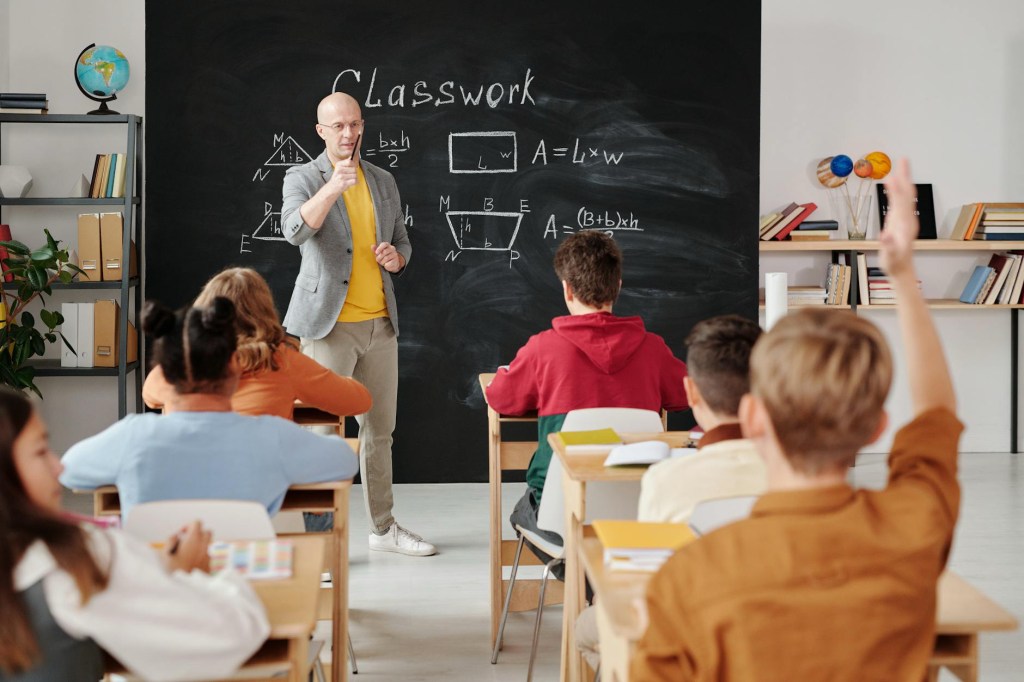
Furthermore, social class can influence the quality of education that individuals receive. Schools in lower-income areas often have fewer resources and experienced teachers compared to schools in wealthier areas. This can lead to disparities in educational opportunities and outcomes, with students from lower social classes receiving a lower quality education compared to their wealthier peers. These disparities can have long-lasting effects on educational attainment, as individuals from lower social classes may struggle to compete with their more privileged peers in terms of academic achievement and college admissions.
In addition to access to resources and quality of education, social class can also impact students’ academic motivation and aspirations. Individuals from higher social classes may have greater expectations and encouragement from their families to pursue higher education, leading to higher levels of academic motivation and aspirations. In contrast, those from lower social classes may face additional barriers, such as lack of family support or negative stereotypes about their abilities, which can impact their academic motivation and aspirations. These differences in motivation and aspirations can contribute to disparities in educational attainment between social classes.
Overall, the impact of social class on educational attainment is a complex and multifaceted issue that requires attention from policymakers, educators, and society as a whole. In order to address these disparities, efforts must be made to ensure that all individuals have access to high-quality education and resources, regardless of their social class. By addressing these barriers and inequalities, we can work towards a more equitable and just educational system that allows all individuals to reach their full potential, regardless of their background.
 Step to Light
Some can represent different classes but the learning environment is the same . So, this brings an opportunity to bond and learn more about the other classes
LikeLiked by 1 person
Absolutely! When different classes come together in the same learning environment, it creates a unique opportunity to connect, encourages cross-class learning, and strengthens the overall educational experience.
LikeLiked by 1 person