

Poverty remains one of the most persistent challenges faced by societies around the world, and it’s often passed down from one generation to the next, despite efforts to alleviate it. However, education plays a significant role in breaking this cycle and create lasting change. From a sociological, economic, and psychological perspective, education is a powerful tool that can uplift individuals and communities, paving the way for a better future, giving them a better life.
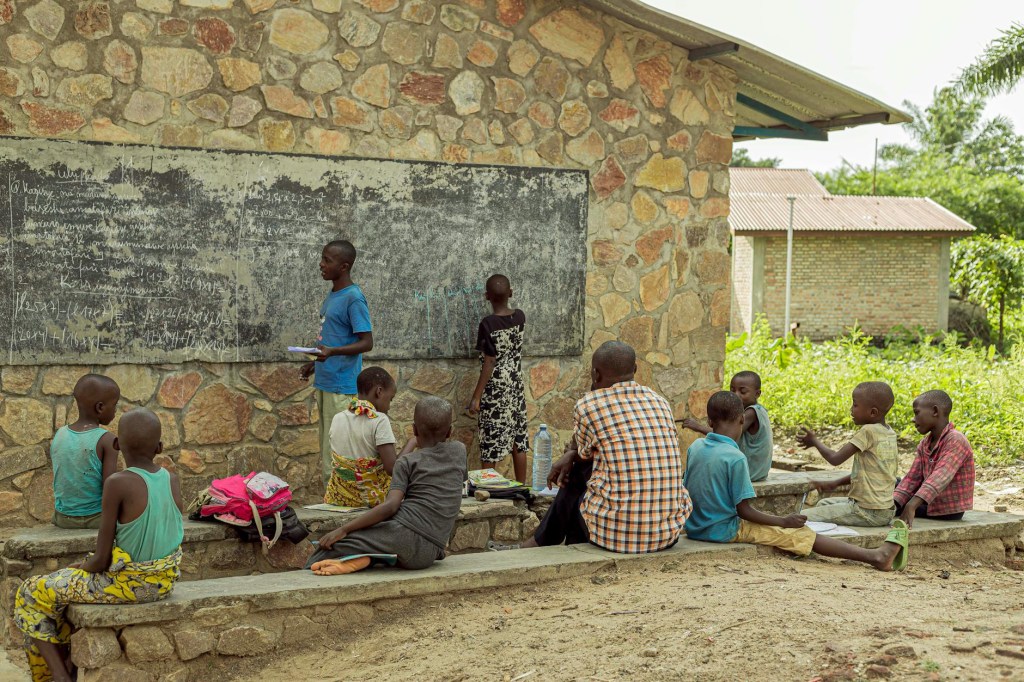
From a sociological standpoint, education is a critical factor in social mobility. In other words; On a social level, education plays a big part in breaking down the barriers that keep people stuck in poverty. It opens doors to better opportunities and helps individuals move up the social ladder. It empowers individuals by providing them with the knowledge, skills, and social capital necessary to improve their circumstances. By acquiring education, individuals are not only able to secure better jobs but also challenge the societal structures that perpetuate inequality. It’s not just about getting a job; it’s about challenging the social systems that keep certain groups oppressed and giving people the chance to change their lives. Education enables marginalized communities to gain a sense of agency, break free from the constraints of their social environment, and build a stronger sense of identity and self-worth. Moreover, educated individuals often become agents of change, influencing policies and social norms that contribute to reducing poverty and help lift everyone up.
Economically, education is one of the most effective ways to break the cycle of poverty. According to numerous studies, there is a clear correlation between higher levels of education and increased income: the more you learn, the better your chances of getting a well-paying job. By providing individuals with the skills required in the modern job market, education significantly enhances their employability and earning potential. Furthermore, an educated workforce contributes to economic growth, innovation, and productivity. On a macroeconomic level, nations with higher education attainment tend to experience greater economic stability and reduced poverty rates. Nations with more educated citizens tend to have better economic stability, fewer people living in poverty, and greater opportunities for everyone. Therefore, investing in education is not just an individual benefit, it is a national economic imperative.
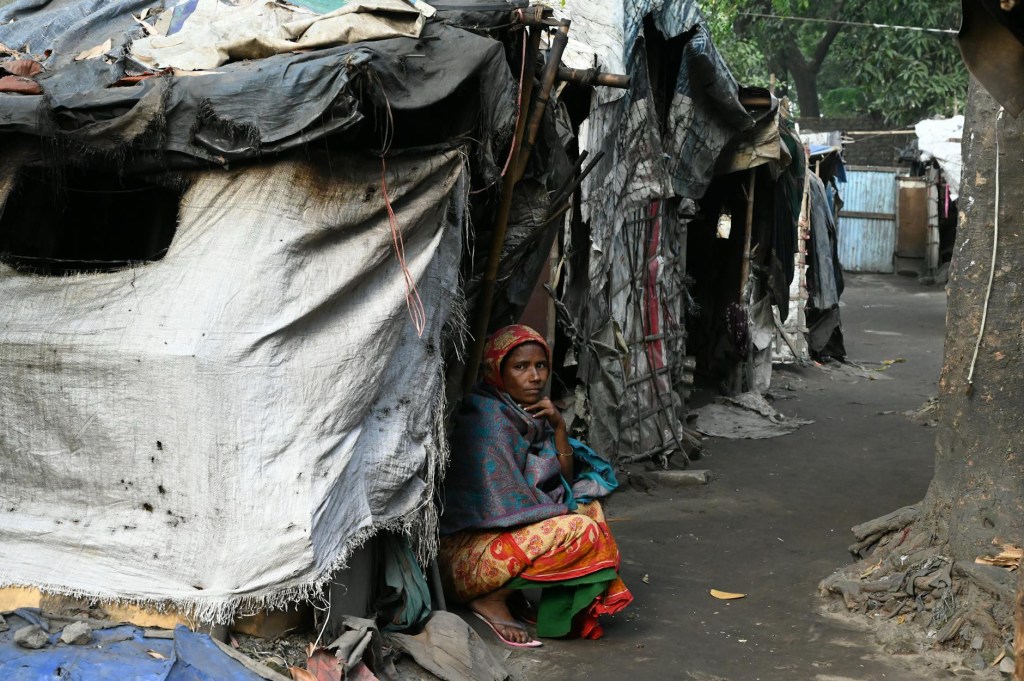
Education can be a game-changer. It has the power to transform individuals’ perceptions of themselves and their futures. Poverty often results in feelings of hopelessness, helplessness, and low self-esteem. But when individuals have access to education, they begin to see their own potential. Education offers an avenue for personal growth, self-efficacy, and resilience. It instills a sense of purpose and empowerment, helping individuals to overcome the psychological barriers that poverty creates. When people are educated, they gain the confidence to pursue their goals and make informed decisions, which ultimately leads to greater life satisfaction and well-being. The impact of education on mental well-being can be huge, giving people the strength to keep going even when times are tough.
Ultimately, education is not just a means of acquiring knowledge, key ingredient in breaking the cycle of poverty. By addressing the issue from sociological, economic, and psychological angles, it becomes clear that education is the key to unlocking opportunities, empowering individuals, and driving societal progress. it has the power to open doors, increase opportunities, and help people build better lives. Investing in education is an investment in the future, providing individuals with the tools they need to lift themselves out of poverty and create a better, more equitable world for all. It’s not just about learning, it’s about transforming lives, changing societies, and creating a future where poverty doesn’t have to be a life sentence. Investing in education is one of the best ways to make a real, lasting difference in the world.
 Step to Light
Exactly, subject of consideration 👌
LikeLiked by 1 person
Thank you for your comment!
LikeLiked by 1 person