
In an increasingly interconnected world, global collaboration in medical research has shifted from a beneficial option to an absolute necessity. No single nation, regardless of its resources, possesses a monopoly on scientific talent, genetic diversity, or pathogenic threats. The complex health challenges of the 21st century—from pandemics to antimicrobial resistance and non-communicable diseases—demand a unified, international response that leverages collective intelligence and shared resources for the benefit of all humanity.
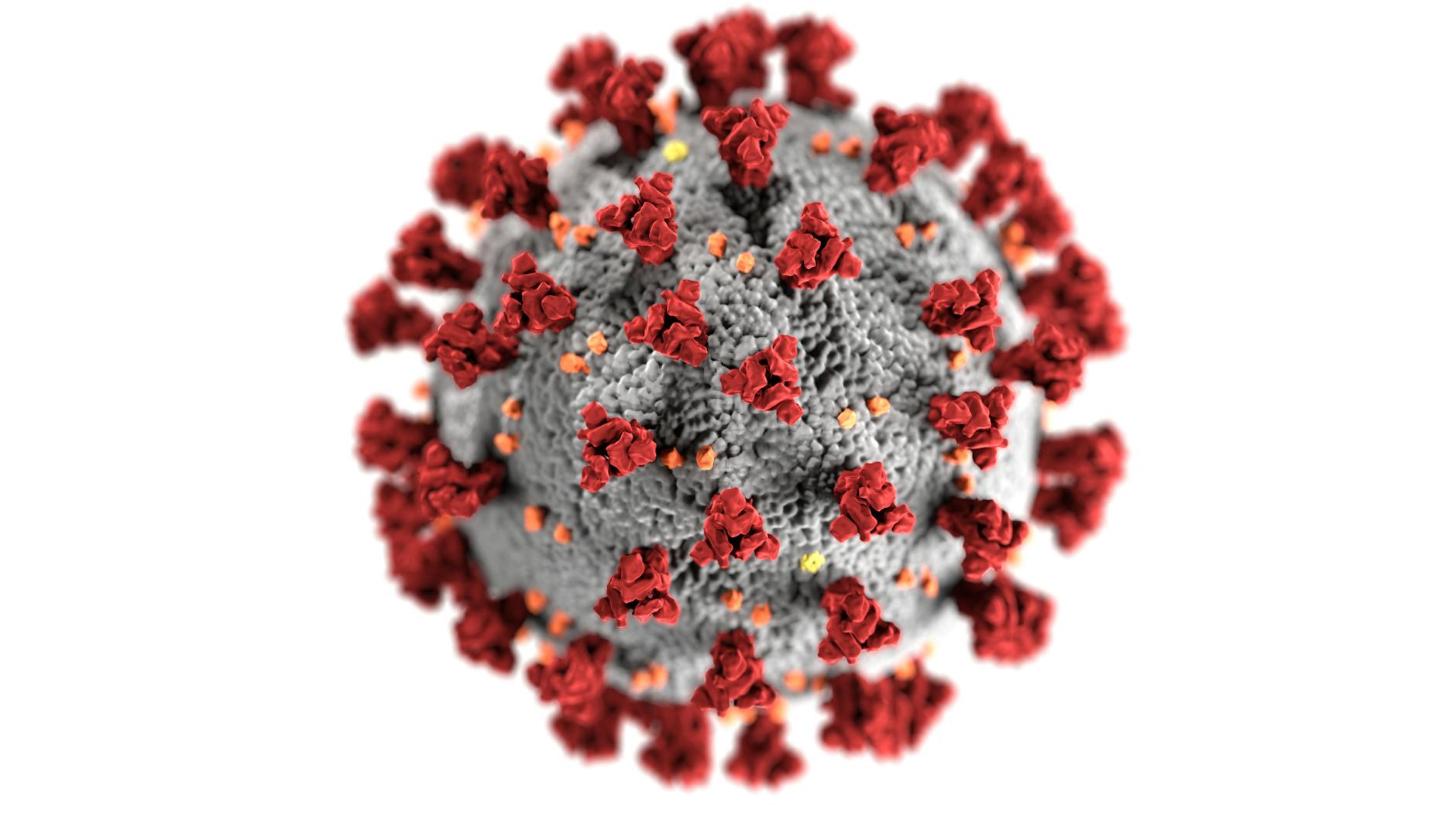
The most compelling evidence for this collaborative imperative is the management of pandemics. The COVID-19 crisis demonstrated how a virus ignores national borders. The rapid, global sharing of the SARS-CoV-2 genetic sequence enabled diagnostic and vaccine development to begin simultaneously in dozens of countries. Initiatives like COVID-19 Vaccines Global Access (COVAX) were established to ensure equitable vaccine distribution, underscoring that in an outbreak, no one is safe until everyone is safe. Similarly, global surveillance networks for influenza allow scientists to track viral mutations and develop effective annual vaccines, protecting populations worldwide.
Furthermore, collaboration enriches the quality and speed of research itself. Rare diseases, which may affect too few people in one country to justify significant research investment, can be studied effectively through international patient registries and clinical trial networks. This pooled data accelerates the path to treatments. Moreover, genetic and clinical studies that include diverse populations from different continents yield more robust and universally applicable results, preventing a dangerous bias in medical knowledge and ensuring new therapies are effective for people of all ancestries.
Global partnerships also optimize resources and foster capacity building. By pooling funding and avoiding duplication of effort, consortia can undertake ambitious projects like the Human Genome Project, whose benefits continue to ripple through medicine. These collaborations often involve training researchers from low- and middle-income countries, creating a virtuous cycle of strengthened global health security and a more equitable scientific landscape.
In conclusion, global collaboration in medical research is a strategic and ethical imperative. It is our most powerful tool for accelerating discoveries, ensuring health equity, and building a resilient defense against the health threats of today and tomorrow. In the face of disease, national borders are irrelevant; our shared vulnerability makes collaboration our greatest strength.
You can now support us to bring more and more new and high quality education content totally free for you!
 Step to Light