
Rising global temperatures, a primary symptom of anthropogenic climate change, are imposing a profound and often catastrophic transformation on the world’s ecosystems, with wildlife facing unprecedented challenges. The steady increase in the Earth’s average temperature is not merely a statistical concern; it is a direct agent of disruption, altering the very fabric of natural life and pushing species to their physiological and ecological limits.
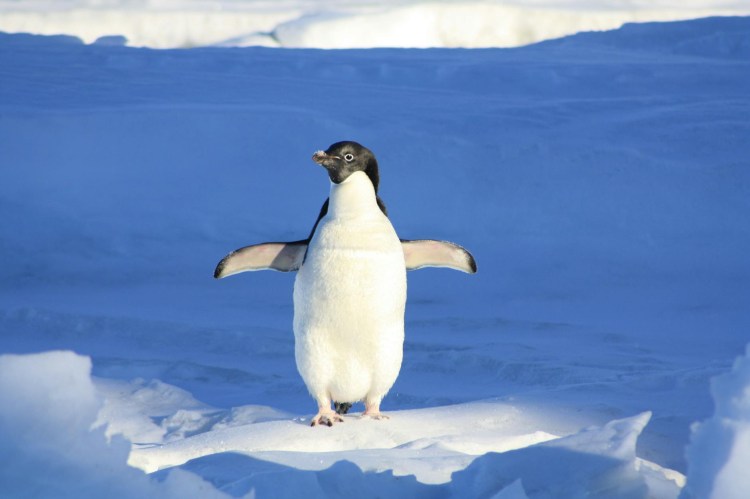
The most immediate impact is habitat loss and alteration. Polar species, such as the polar bear and the Arctic fox, are witnessing the literal melting of their icy realms, forcing them into smaller ranges and reducing their access to prey. Similarly, warming ocean temperatures are causing widespread coral bleaching, devastating the vibrant, biodiverse marine cities that support countless fish and invertebrate species. On land, montane species are being pushed to higher, cooler elevations until they eventually run out of habitat entirely.
Beyond physical space, rising temperatures are desynchronizing the delicate timing of nature. Phenological events, such as migration, breeding, and blooming, are shifting at different rates. A bird may arrive at its nesting ground only to find the insect population it relies on to feed its chicks has already peaked and declined. This “mistmatch” disrupts critical predator-prey and plant-pollinator relationships, leading to reproductive failure and population declines. Furthermore, the changing climate is facilitating the spread of invasive species and pathogens into new areas, out competing or sickening native wildlife unprepared for these new threats.

The consequences are a stark increase in extinction risk and a homogenization of global biodiversity. From altering sex ratios in sea turtles (where nest temperature determines sex) to increasing the frequency of fatal heat stress events, the thermal balance that has sustained life for millennia is being undone. The resilience of wildlife is being systematically eroded, not only threatening individual species but also destabilizing the ecosystems upon which human societies also depend. The fate of the world’s wildlife is inextricably linked to our ability to curb emissions and mitigate global warming.
If you enjoyed reading our articles, you can now support us to bring more new and high quality content.
 Step to Light
An interesting post
LikeLiked by 1 person