
The digital divide means the gap between those with reliable access to modern information technology and those without, this creates a profound educational inequality between urban and rural areas. In cities, students use high-speed internet for research, interactive learning, and collaboration. In contrast, many rural and underdeveloped regions face a starkly different reality, where internet connectivity is either non-existent, affordable, or too slow for practical use.
The internet’s impact on modern education is transformative, providing access to vast digital libraries, educational videos, online courses, and real-time communication with teachers and peers. It enables personalized learning and develops essential digital literacy skills. Without it, students in rural areas are isolated from these resources. Their education is often confined to outdated textbooks and limited local knowledge, putting them at a significant academic disadvantage from an early age.
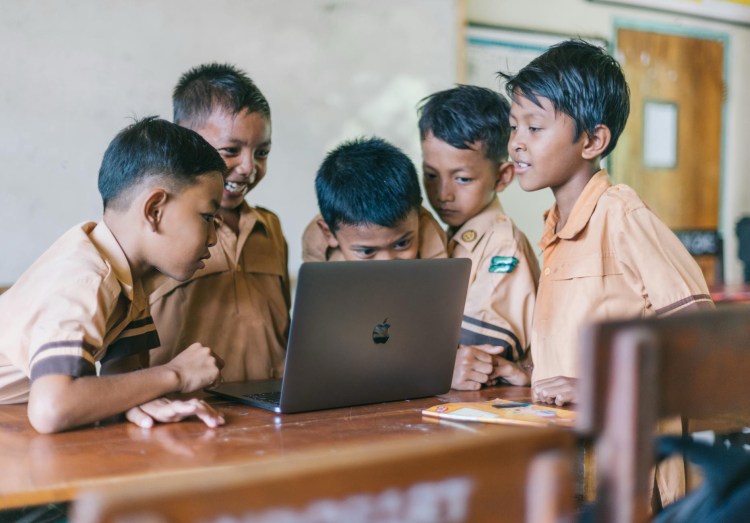
The consequences for these children are severe. They struggle to complete basic research assignments, cannot access supplementary learning tools, and were particularly disadvantaged during the shift to remote learning, causing major learning loss. This lack of digital fluency limits their ability to compete for higher education placements and future employment, perpetuating cycles of poverty and prompting a “brain drain” as talented youth leave for better-served areas.
Addressing this crisis requires coordinated action. Governments must invest in broadband infrastructure as a public utility, exploring technologies like satellite internet and expanded mobile networks. Subsidies can make services affordable for low-income families. Schools can be equipped with community Wifi hubs and offline digital resources like loaded tablets and servers. Ultimately, bridging the digital divide is not merely a technical challenge but a fundamental step toward ensuring equitable educational opportunities for every child, regardless of their postal code.
 Step to Light
I’m in complete agreement with your points here. I also unfortunately also see that some governments struggle to provide standard electricity, water, sanitation to the more rural areas in the world. There are parts of the United States that don’t have access to the Internet beyond dial-up speeds, making the modern Internet impossible to use. America Online also recently just announced their discontinuation of dial-up service. Starlink (not my favorite company) has made inroads to providing high speed access but many struggle to procure the expensive equipment (which recently just came down in price). I believe there are grant programs and such, but have not looked deeply into that availability. More should be done around providing this access and technology in general to students in poor and rural areas.
LikeLiked by 1 person