
The media plays a significant role in shaping societal norms and attitudes towards gender. It has the power to reinforce stereotypes or challenge existing perceptions of gender, ultimately influencing how individuals perceive themselves and others.
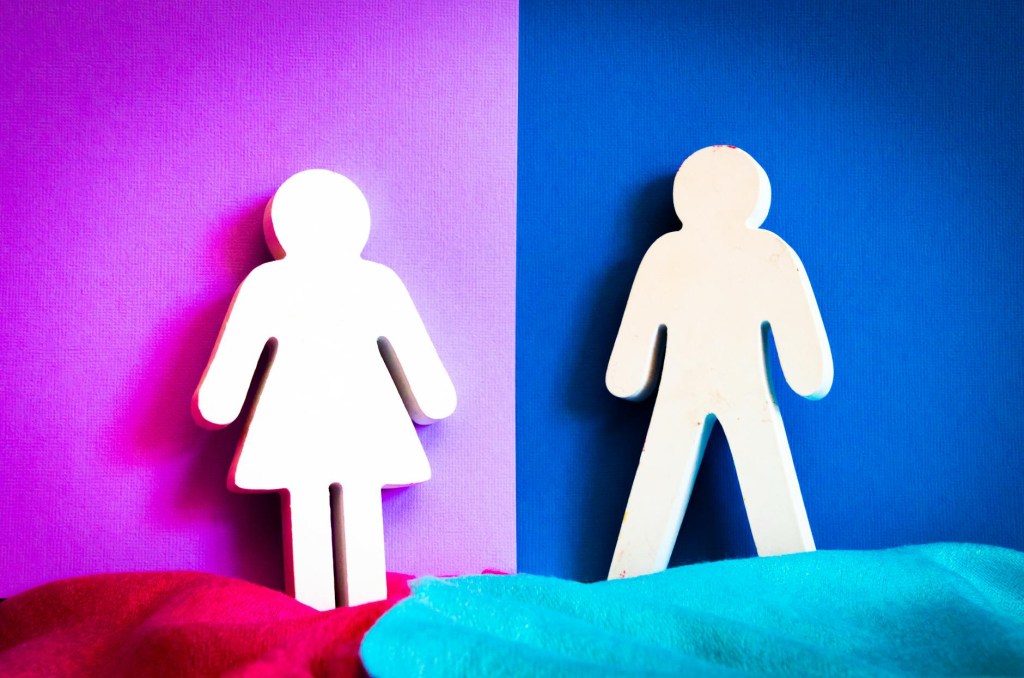
Throughout history, the portrayal of gender in the media has often been skewed, with traditional gender roles and stereotypes being perpetuated in various forms of media such as television, film, and advertising. This can have a profound impact on the way individuals view themselves and others, as well as how they interact with those around them.
One way in which the media influences gender perception is through the representation of male and female characters in television shows and movies. Often, female characters are portrayed as passive, emotional, and dependent on male characters for their happiness and success. On the other hand, male characters are typically depicted as strong, independent, and successful. These portrayals can contribute to the reinforcement of traditional gender roles and stereotypes, leading individuals to believe that these are the only acceptable ways to be male or female.
In addition to the portrayal of gender in fictional media, advertising also plays a significant role in shaping gender perceptions. Advertisements frequently use gender stereotypes to sell products, with women often being depicted as the caregivers and nurturers, while men are portrayed as the providers and protectors. This can reinforce the idea that certain roles are strictly designated for one gender or the other, limiting individuals’ perceptions of what they can achieve or aspire to be.
Furthermore, the rise of social media has further perpetuated gender stereotypes and ideals, with platforms such as Instagram and TikTok often showcasing unrealistic and unattainable standards of beauty and masculinity. This can have detrimental effects on individuals’ self-esteem and mental health, as they compare themselves to the airbrushed and filtered versions of reality presented on these platforms. The pressure to conform to these ideals can lead to feelings of inadequacy and self-doubt, ultimately affecting individuals’ perceptions of themselves and their worth.

However, the media also has the power to challenge and reshape existing gender perceptions. Increasingly, there has been a push for more diverse and inclusive representations of gender in media, with the inclusion of LGBTQ+ characters, strong female protagonists, and non-binary individuals in mainstream television shows and movies. This can help to broaden individuals’ perspectives on gender and challenge traditional stereotypes, ultimately promoting a more inclusive and equitable society.
In conclusion, the impact of media on gender perception is undeniable. The media has the power to shape individuals’ perceptions of themselves and others, reinforcing stereotypes or challenging existing norms. It is important for media producers to be mindful of the messages they are sending and the representations they are portraying, in order to create a more inclusive and diverse media landscape that accurately reflects the multitude of experiences and identities that exist within society. Ultimately, by being critical consumers of media and advocating for more diverse and inclusive representations, we can work towards a more equitable and accepting society for all genders.
 Step to Light
Very true.
LikeLiked by 1 person